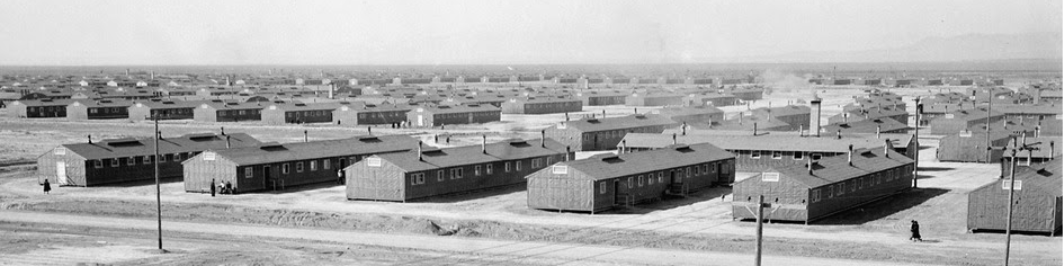
We found large, boat-like objects—especially popular with the scorpions—that were hollowed out and made a nice, warm place to sleep on cold nights. Unfortunately, we discovered that in the morning, people liked to stick their feet into them, and if we were still in there, that was curtains for us. Then people learned to upend the boats and shake them before inserting their feet; that way, we would be jarred awake and have a chance to escape before being pulverized by large human feet—a nice compromise.
We looked for other places to hang out. Some of my friends preferred crawling between layers of paper on a roll. It was a pretty cool place to hang out, that is, until a person sat down next to us and started unrolling the paper. Out we fell! At least we weren’t squashed by feet.

Then I discovered that there was something worse than women with brooms and hot water—little girls. Little devil girls, who seemed to have nothing to do but torture us with chopsticks, picking us up and putting us into big jars and screwing the lids shut. If we were lucky, they remembered to let us go; but sometimes they forgot about us, and … well, I won’t go into detail.
I pitied the poor dragonflies who had strings tied around their tails. Those little devil girls would then “walk” the dragonfly in the air as it tried to fly away.
Needless to say, I was ecstatic when they all left. Just like that—as quickly as they had appeared, they were gone. And the desert became quiet again.
About the contributor: Ritsuko Furuya was born in Lompoc, CA in 1937. Her father was one of 28 Issei men from Lompoc who were arrested after Pearl Harbor and incarcerated at Ft. Lincoln in Bismarck, ND. He rejoined the family in July 1943 in Topaz. After the War, the Furuya family resettled in San Mateo, as Lompoc did not welcome Japanese Americans back. Ritsuko is retired from her career as an administrator of hospital laboratories, and currently lives in Belmont, CA.
© 2025, Ritsuko Furuya. All rights reserved.