A dedication to my Nisei dad, Tsugio Kubota
The older I get, my understanding and appreciation deepens about my quiet dad.
Silent dinners, weekends working in the garden outside without saying a word. As a child born nine years after the end of World War II, I wondered what was wandering around in his head. The only hint was watching what he created. Finely sanding and staining his wooden furniture. Curating a collection of ceramic vases and rustic wabi sabi tea cups—some from Japan, others uniquely handmade.
These childhood experiences served as an introduction to a Japanese aesthetic, my appreciation of craft and materials, and the importance of the creative process. Even though I may not have appreciated it at that time, I now know I was witnessing this quiet and imaginative soul at work. This inherited sense would carry me through my life as an artist.
His garden was one of his canvases. He spent countless hours silently planning out and creating distinct gardens around our house. A Japanese garden with carefully chosen shaped stones—some like little miniature mountain tops and others rounded river rocks. He carefully picked out Japanese cherry trees, blossoms which would glow in the night in the spring; sculpted pines; Japanese maple trees, green and red; and spreading bushes of bright pink and red azaleas. In the front yard, there was a natural creek with oak, bay and buckeye trees above, where I spent hours building little dams and searching for salamanders. There was also a bamboo forest. In the backyard, there was a wide path where patches of flowers of all colors, shapes and sizes grew on both sides, along with dwarf apple, plum and pear trees.
From those years of watching him, I was also to learn how vegetables are cultivated and harvested. He organized rows of organic lettuces, the sweetest strawberries, long-rooted brown gobo, “candy” corn, kabocha and acorn squash, different types of tomatoes, artichokes and shiso. I grew up seeing the steam rise from compost piles in the morning sun as he used a pitch fork to turn the rich soil over. I pulled up carrots and cut Swiss chard from their white and red stalks. All these gardens were almost painfully perfect and planned with each passing season.
I think my dad’s respect for the earth and soil came from his father, Moichi. Moichi Kubota emigrated from Kurume with his wife, Teruko. It was the same town in Fukuoka that George Shima, the famous “Potato King,” came from. It was Shima Tract No. 7 in a delta farm town of Isleton along the Sacramento River where Moichi and Teruko first began their lives and later raised their four sons. As a young, struggling family, they worked the fields, eventually moving to Berkeley.

Courtesy of Justin D. Lee.
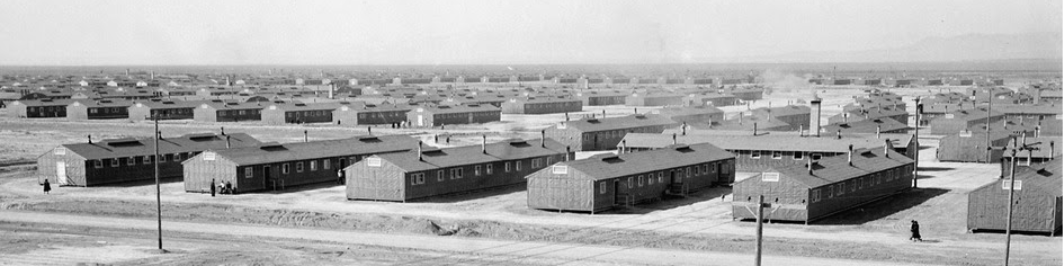
My dad had survived Tanforan, then Topaz. He, like many others, did not talk about “it.“ Before “camp,“ he dreamed of attending CCAC–the California College of Arts and Crafts–after attending Berkeley High School. But there was no money. His father was now widowed, and beautified yards in Berkeley as a gardener to support four sons. My dad decided to help his dad and the family survive. A few years later, they were imprisoned in Topaz.
I am moved by how you were able to capture his life in such a concise and condensed way – recognizing his artistic soul and his influence on you.
This is a wonderful historical piece for the next generation…
Thank you for sharing remembrances of your Dad and yourself
Your article made me wish I could have spent time in the garden of your childhood. It sounds peaceful, special and beautiful. Thank you for sharing this history with one who didn’t have an artist as a parent, and didn’t get to enjoy both the beauty and the fruits of the labor.