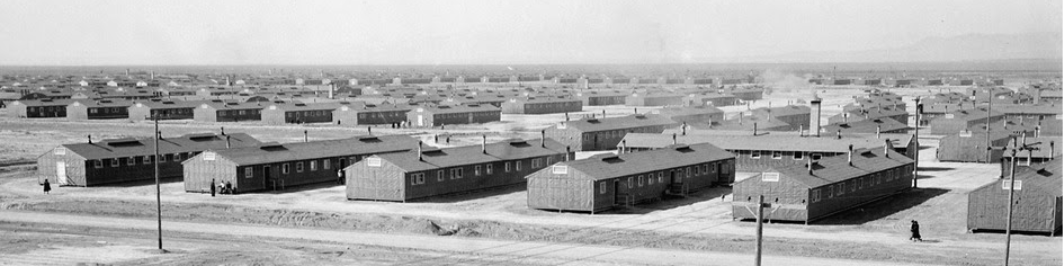
(Part 2) by Iso Minamoto Umeki
(To read Part 1, click The Life Interrupted.)
One peaceful Sunday morning, December 7, 1941, to be exact, I had gone to the store to catch up with the bookkeeping. I will never forget that historic day when the radio blurted the news about the military power of Japan attacking Pearl Harbor, shattering the peaceful and calm morning. I was in the produce section of the store, serving one of my best customers, a gentle, very sweet person who always requested my services. As soon as we heard the shocking news, she turned to me, shook my hand and said, “This is the end of our friendship because of the horrible action taken by your people.” Her words still ring in my ears, and I never felt so alone as I did then. I could not understand her statement, although I felt very, very sad for my parents and the abuse they would have to take, I was young and naïve enough to believe that nothing would change the feelings and attitudes of the American public toward us Nisei, who were American-born citizens.

There was mass hysteria because this was a war we were not prepared for. Curfew for the Japanese went into effect immediately; we could not travel more than 5 miles and we could not be out on the streets after 8 pm. There were rumors about airplanes from Japan, and naturally, we were regarded as spies or were under some kind of suspicion. For example, we gave a farewell party for the boss’s brother, who was leaving for the U.S. Army. After the affair had ended, and we were preparing for bed, there was a loud knock at the door. Two husky policemen came to check us at the request of the neighbors, who said we were having a secret meeting and that we might be spies. This was but one of many such incidents we experienced.
The owner of the grocery store where we formerly worked asked us to stay away, and never return, for supposedly, we were hurting his business. His workers were ashamed of his attitude but could do nothing about it. By the time we were to be evacuated, I thought that no matter how I had been treated, I would continue to be friendly. So I got enough courage to enter the store for the last time to thank the owner for his past courtesies and to wish him well. He apologized for his previously hasty attitude and said we would be welcome anytime.
My brother decided he should marry in February because of the uncertainty of where we would be sent and the sad thoughts of long separation from his fiancé. We had a very simple wedding, which turned out to be a warm and lovely affair in spite of such trying circumstances.
I think that this story can teach others about false or true myths or rumors
Thanks for your comment! Can you imagine what it was like to have to make life-changing decisions based on rumors? In this case, it was actually more than rumor–it was hastily-concocted government policies that changed constantly and created chaos. Unfortunately, the same thing is happening today. So I hope stories like these will encourage people in positions of power to understand the consequences of their actions and act in a more considered, responsible, and humane way. (And to uphold the Constitution and the rule of law.)
What do you think we can do to hold the government to that standard?